
 Image 1 of 1
Awareness - Oil Spill Response (OSR) IMO Training Level I
Awareness Training Level I for Port & Terminal Environmental Emergency Preparedness is a 2-day Program that gives participants a clear, engaging introduction to the types of environmental incidents that can occur at ports & terminals.
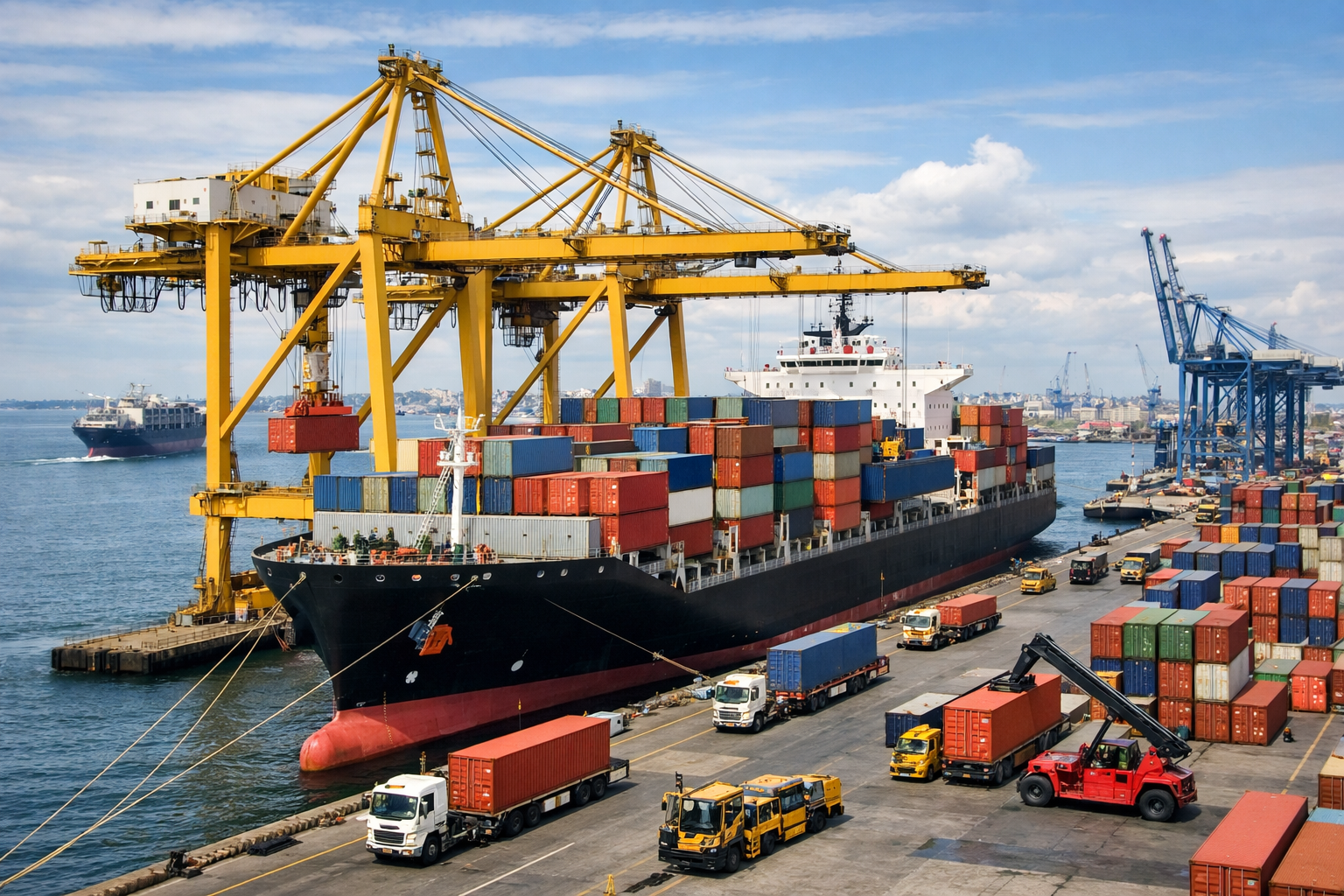
Ports and terminals are hubs of intense activity where cargo, vessels, vehicles, and people converge — and where the potential for environmental emergencies is ever-present. This training module frames preparedness as a combination of sound planning, skilled personnel, appropriate equipment, and an organizational culture that treats environmental protection as non-negotiable. Participants will learn how to recognize hazards specific to port operations, assess risks, and prioritize actions that minimize harm to ecosystems, property, and human health.
A clear, site-specific contingency plan is the backbone of effective response. The module guides trainees through the elements of a robust plan: roles and responsibilities, communication protocols, notification procedures, resource inventories, and escalation triggers. Trainees practice developing and updating checklists and decision trees that align with local regulations and international conventions, ensuring the plan remains practical, compliant, and immediately actionable during a crisis.
Rapid, coordinated incident command is essential to prevent a small spill or accident from escalating. The course covers establishment and operation of an Incident Command System tailored to port settings, emphasizing chain of command, inter-agency coordination, and integration with national response frameworks. Scenario-based exercises reinforce delegation, information flow, and the use of unified terminology so teams can act quickly and cohesively under pressure.
Containment and mitigation techniques are taught with a hands-on mindset: boom deployment, skimming, shoreline protection, and on-site waste management are explained both conceptually and operationally. Trainees learn how to select appropriate response tools given weather, tide, and cargo characteristics, and how to stage equipment for rapid mobilization. Practical drills and field demonstrations show how to balance immediate containment with longer-term recovery needs.
Environmental monitoring and impact assessment ensure that response actions are effective and that sensitive habitats receive appropriate protection. The module introduces sampling protocols, baseline data collection, and post-incident monitoring strategies to document effects on water quality, sediment, and biota. Guidance on working with environmental agencies and NGOs ensures transparency and supports restoration planning.
Communication — with staff, regulators, stakeholders, and the public — is critical during environmental incidents. The course teaches clear, factual messaging, media handling, and stakeholder engagement techniques that maintain trust and reduce reputational damage. Emphasis is placed on timely notifications, honest updates, and documentation that supports regulatory compliance and potential liability mitigation.
Training, exercises, and continuous improvement close the preparedness loop. The module sets out a program for regular drills, after-action reviews, and corrective action tracking to embed lessons learned into procedures and training curricula. By fostering a learning culture and maintaining readiness through routine practice, ports and terminals can significantly reduce environmental risks and improve their ability to respond effectively when incidents occur.
Awareness Training Level I for Port & Terminal Environmental Emergency Preparedness is a 2-day Program that gives participants a clear, engaging introduction to the types of environmental incidents that can occur at ports & terminals.
Ports and terminals are hubs of intense activity where cargo, vessels, vehicles, and people converge — and where the potential for environmental emergencies is ever-present. This training module frames preparedness as a combination of sound planning, skilled personnel, appropriate equipment, and an organizational culture that treats environmental protection as non-negotiable. Participants will learn how to recognize hazards specific to port operations, assess risks, and prioritize actions that minimize harm to ecosystems, property, and human health.
A clear, site-specific contingency plan is the backbone of effective response. The module guides trainees through the elements of a robust plan: roles and responsibilities, communication protocols, notification procedures, resource inventories, and escalation triggers. Trainees practice developing and updating checklists and decision trees that align with local regulations and international conventions, ensuring the plan remains practical, compliant, and immediately actionable during a crisis.
Rapid, coordinated incident command is essential to prevent a small spill or accident from escalating. The course covers establishment and operation of an Incident Command System tailored to port settings, emphasizing chain of command, inter-agency coordination, and integration with national response frameworks. Scenario-based exercises reinforce delegation, information flow, and the use of unified terminology so teams can act quickly and cohesively under pressure.
Containment and mitigation techniques are taught with a hands-on mindset: boom deployment, skimming, shoreline protection, and on-site waste management are explained both conceptually and operationally. Trainees learn how to select appropriate response tools given weather, tide, and cargo characteristics, and how to stage equipment for rapid mobilization. Practical drills and field demonstrations show how to balance immediate containment with longer-term recovery needs.
Environmental monitoring and impact assessment ensure that response actions are effective and that sensitive habitats receive appropriate protection. The module introduces sampling protocols, baseline data collection, and post-incident monitoring strategies to document effects on water quality, sediment, and biota. Guidance on working with environmental agencies and NGOs ensures transparency and supports restoration planning.
Communication — with staff, regulators, stakeholders, and the public — is critical during environmental incidents. The course teaches clear, factual messaging, media handling, and stakeholder engagement techniques that maintain trust and reduce reputational damage. Emphasis is placed on timely notifications, honest updates, and documentation that supports regulatory compliance and potential liability mitigation.
Training, exercises, and continuous improvement close the preparedness loop. The module sets out a program for regular drills, after-action reviews, and corrective action tracking to embed lessons learned into procedures and training curricula. By fostering a learning culture and maintaining readiness through routine practice, ports and terminals can significantly reduce environmental risks and improve their ability to respond effectively when incidents occur.